Introduction
The transition through perimenopause and menopause brings profound changes to a woman's body, and for many, these years feel overwhelming. Hot flashes, mood swings, brain fog, weight gain, and sleep disruption become unwelcome companions. While hormone replacement therapy is one option, an increasing number of women over 40 are discovering that what they eat plays a central role in managing these symptoms. Foods that help hormonal balance women over 40 aren't a miracle cure, but they can meaningfully reduce the intensity of symptoms and support overall wellbeing during this life stage. This article explores the science behind nutritional approaches to hormonal health and offers practical, evidence-based guidance on dietary choices that work with your body rather than against it.
Understanding Hormonal Shifts in Women Over 40
Hormonal balance doesn't happen by accident—it's the result of complex interactions between your brain, glands, and tissues. In women over 40, the ovaries begin producing less estrogen and progesterone, a gradual process that typically spans several years. This decline isn't uniform; hormone levels fluctuate unpredictably, creating the classic symptoms associated with perimenopause and menopause. A 2022 review published in the *Journal of Women's Health* highlighted that this transitional period affects roughly 80% of women to some degree, yet symptom severity varies dramatically based on genetics, stress levels, sleep quality, and—importantly—nutritional status.
The liver and gut play surprisingly significant roles in hormonal metabolism. These organs are responsible for processing hormones and either recycling them or preparing them for elimination. When these systems aren't adequately supported by proper nutrition, hormones can accumulate or become dysregulated. Additionally, the microbiome—the community of bacteria living in your digestive tract—influences estrogen metabolism through what's called the estrobolome. Research from a 2021 study in *Nutrients* showed that women with diverse, healthy gut bacteria reported fewer hot flashes and mood disturbances than those with less microbial diversity. This underscores why foods that help hormonal balance women over 40 matter so much; they don't just provide isolated nutrients—they support the entire ecosystem your hormones depend on.
Signs and Symptoms of Hormonal Imbalance
Recognizing hormonal imbalance often starts with noticing changes that seem to arrive without warning. Hot flashes and night sweats are the hallmark symptoms, affecting roughly 75% of women during menopause. But the picture is broader than that. Many women report mood changes—irritability, anxiety, or depression—that feel disconnected from life circumstances. Brain fog, sometimes called "menopause brain," makes concentration difficult and memory lapses more frequent. These cognitive symptoms can be alarming, but research from a 2020 study in *Menopause* confirms they're directly linked to estrogen fluctuations affecting neurotransmitter production.
Other common signs include weight gain (particularly around the midsection), joint pain, headaches, and changes in skin texture. Sleep disturbances are extremely common, with many women experiencing insomnia, early morning waking, or poor sleep quality. These symptoms don't occur in isolation—hormonal imbalance typically creates a cascade effect. Poor sleep worsens mood and increases cortisol (the stress hormone), which in turn can drive inflammation and further disrupt other hormonal systems. A 2023 study in *Frontiers in Endocrinology* noted that women addressing nutritional deficiencies experienced improvements in multiple symptoms simultaneously, suggesting that supporting hormonal health through diet creates broad benefits across physical and mental wellbeing.
How Hormonal Imbalance Impacts Daily Life
Living with unmanaged hormonal imbalance can reshape your daily experience in ways both obvious and subtle. Night sweats might mean changing clothes multiple times or avoiding sharing a bed with a partner. Brain fog can make work more stressful and affect professional performance. Mood changes can strain relationships with family and colleagues. The unpredictability of symptoms creates additional stress—you might cancel plans because you're not sure if you'll have severe hot flashes or feel emotionally overwhelmed. This uncertainty itself becomes a stressor, creating a difficult feedback loop.
Weight gain often accompanies hormonal shifts and can be particularly frustrating because traditional approaches to diet and exercise may feel less effective than before. Women report feeling less motivated, having less energy for physical activity, and finding that their bodies simply respond differently to the same habits that worked in their 30s. Sleep deprivation amplifies all of these challenges, reducing resilience and making everything feel harder. Over time, many women describe a sense of disconnection from their bodies or diminished quality of life. The encouraging news is that these impacts are not inevitable—they can be substantially reduced through intentional lifestyle choices, particularly around nutrition.
Natural Approaches and Lifestyle Foundations
While nutrition is powerful, hormonal balance also requires attention to other lifestyle factors. Sleep is non-negotiable; during deep sleep, your body regulates cortisol and growth hormone, both critical to hormonal stability. Research published in a 2021 review in *Sleep Health* demonstrated that women sleeping fewer than 6 hours nightly experienced significantly worse menopausal symptoms. Stress management is equally important—chronic stress keeps cortisol elevated, which suppresses progesterone and disrupts the delicate hormonal balance you're trying to support. Regular physical activity, particularly strength training and moderate aerobic exercise, helps regulate insulin (which influences estrogen metabolism) and improves sleep quality.
Movement doesn't need to be intense to be effective. A 2022 study in the *American Journal of Obstetrics and Gynecology* found that 150 minutes weekly of moderate activity—such as brisk walking—significantly reduced hot flashes and mood disturbances. Limiting alcohol and caffeine also makes a measurable difference; both substances can trigger hot flashes and disrupt sleep. Additionally, maintaining healthy body weight through a combination of nutrition and activity supports hormonal equilibrium because fat tissue produces estrogen. This creates a complex relationship where weight management becomes easier when hormones are better balanced—another reason why a comprehensive approach works better than any single intervention alone.
Key Nutrients and Dietary Approaches
Phytoestrogens are plant compounds that weakly mimic estrogen in the body. The most studied phytoestrogens are isoflavones, found primarily in soy products, legumes, and certain seeds. A 2020 meta-analysis in *Climacteric* reviewed 19 randomized controlled trials and found that isoflavone supplementation modestly reduced hot flash frequency and severity. Soy products like edamame, tofu, and tempeh also provide complete protein and minerals essential for bone health—a critical concern as estrogen decline increases osteoporosis risk.
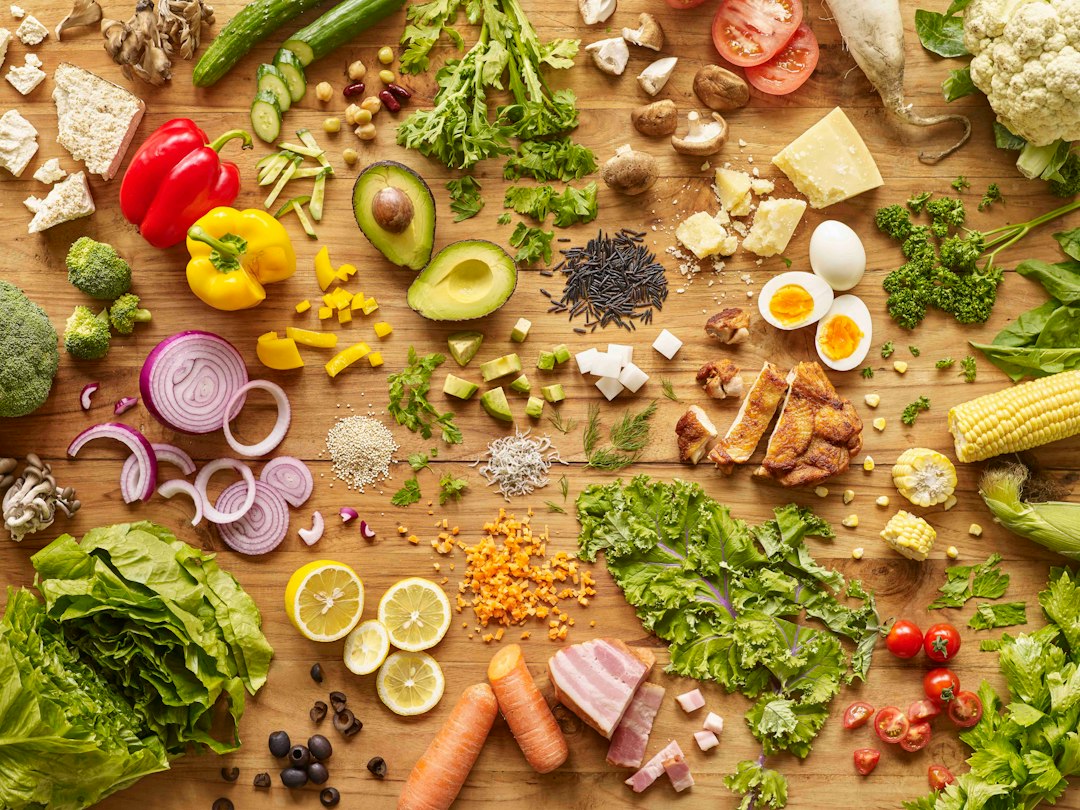
Cruciferous vegetables—broccoli, cauliflower, Brussels sprouts, and cabbage—contain compounds that support liver detoxification and healthy estrogen metabolism. These vegetables provide indole-3-carbinol and sulforaphane, substances that have been studied for their ability to support phase 2 liver detoxification pathways. Ground flaxseed is another nutritional powerhouse, offering lignans (another class of phytoestrogens), omega-3 fatty acids, and fiber that nurtures beneficial gut bacteria.
Omega-3 fatty acids from fatty fish like salmon, sardines, and mackerel reduce inflammation, which often underlies hot flashes and mood changes. A 2021 study in *Nutrients* found that women consuming adequate omega-3s reported fewer hot flashes and better mood stability. B vitamins—especially B6, B12, and folate—support neurotransmitter production and energy metabolism. Many women over 40 have reduced stomach acid, which impairs B12 absorption, making dietary sources or targeted supplementation important. This is why many adults turn to nutritional formulas designed to address these specific nutrient gaps during hormonal transitions.
Magnesium supports sleep quality, mood regulation, and muscle relaxation—all commonly disrupted during hormonal shifts. Good sources include leafy greens, pumpkin seeds, and almonds. Calcium and vitamin D work together to support bone health as estrogen-dependent bone density declines. Finally, iron-rich foods become important if night sweats are causing significant fluid loss; women in perimenopause should have iron levels checked, as anemia worsens fatigue and cognitive function.
Frequently Asked Questions
Q: Will changing my diet alone eliminate hot flashes and other menopausal symptoms?
A: Diet is powerful but rarely a complete solution alone. Most research shows that comprehensive approaches—combining better nutrition, regular exercise, stress management, and adequate sleep—produce the best results. Many women experience 30–50% improvement in symptoms through dietary changes alone, but complete relief typically requires multiple strategies working together.
Q: How long does it take to notice improvements from dietary changes?
A: This varies considerably. Some women notice mood improvements and better sleep within 1–2 weeks as stress levels drop. Hot flash reduction typically takes 4–8 weeks of consistent dietary changes as nutrient status improves and the microbiome shifts. Patience and consistency matter more than perfection.
Q: Are there specific foods I should avoid during hormonal transitions?
A: Processed foods high in sugar and refined carbohydrates can trigger inflammation and blood sugar swings that worsen hot flashes and mood instability. Excess caffeine and alcohol often trigger symptoms. Beyond these, individual responses vary—keeping a simple food and symptom journal helps identify your personal triggers.
Moving Forward with Confidence
Understanding that foods that help hormonal balance women over 40 are backed by solid science can feel empowering. You're not relying on folk wisdom or wishful thinking—you're working with your biology to support the complex systems that regulate your health. The dietary approaches outlined here represent decades of research into how nutrition influences hormone metabolism, neurotransmitter production, inflammation, and the microbiome.
Start by adding rather than restricting: incorporate more fatty fish, colorful vegetables, legumes, and ground flaxseed. Ensure you're getting adequate sleep and moving your body regularly. Give these changes time to work. Most importantly, remember that this life stage doesn't have to feel like something to endure—with the right support, including nutritional support, you can feel like yourself again.
If you're exploring comprehensive approaches to hormonal health, you might find it helpful to review what targeted nutritional support can offer. Many formulas are specifically designed around the nutrients discussed in this article. Visit our site to explore options and see which approach might work best for your situation.