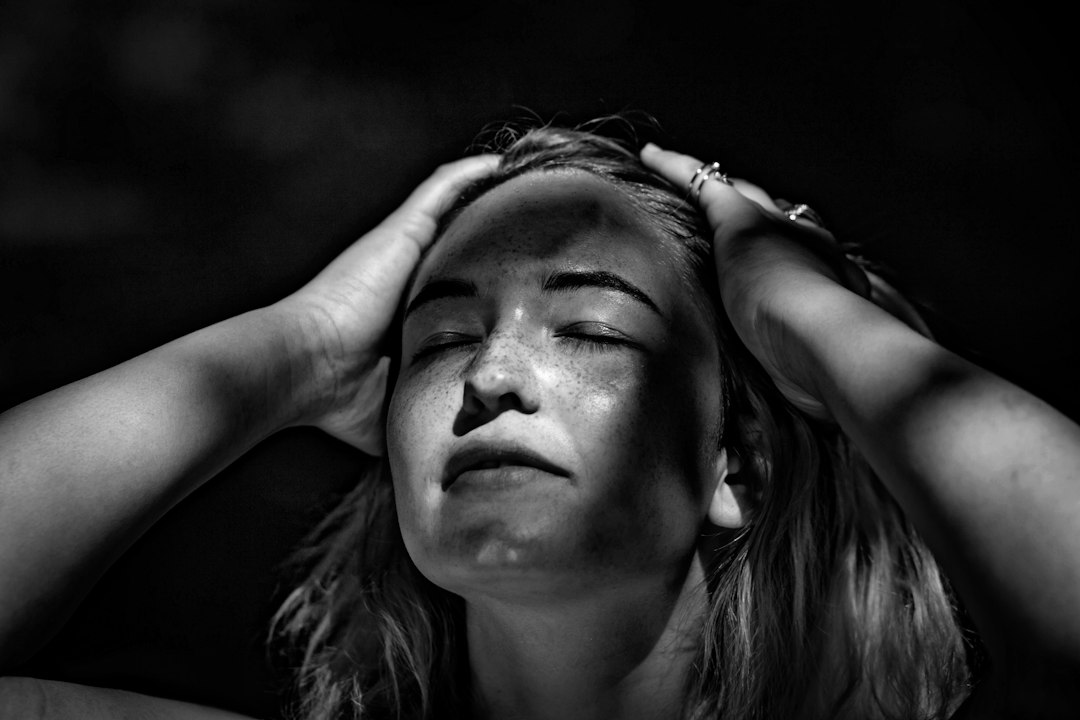
Understanding Night Sweats and Hot Flashes in Midlife Women
Night sweats and hot flashes in women over 40 can disrupt sleep, affect mood, and interfere with daily life—but understanding their root causes is the first step toward managing them effectively. These symptoms affect up to 80% of women approaching or experiencing menopause, yet many don't realize there are multiple potential triggers beyond hormonal shifts. Whether you're waking up drenched in sweat or experiencing sudden waves of heat during the day, knowing what's happening in your body helps you make informed decisions about treatment options.
- Night sweats and hot flashes stem primarily from declining estrogen levels, but thyroid dysfunction, anxiety, and certain medications also play significant roles.
- Most women experience hot flashes for 4–10 years, though severity and frequency vary widely between individuals.
- Lifestyle changes like stress reduction, regular exercise, and dietary adjustments can reduce symptom intensity by 20–30%.
- Persistent or severe symptoms warrant medical evaluation to rule out thyroid conditions, infections, or other health issues.
TL;DR: Night sweats and hot flashes in midlife women are primarily caused by hormonal fluctuations, but thyroid problems, medications, and lifestyle factors matter too. Most cases respond well to lifestyle changes; severe symptoms need professional evaluation.
---What Causes Night Sweats and Hot Flashes in Women Over 40?
The root cause of night sweats and hot flashes in women over 40 involves a complex shift in how your body regulates temperature as estrogen levels decline. Estrogen influences your hypothalamus—the brain's temperature control center—so when hormone levels fluctuate during perimenopause and menopause, your thermostat becomes hypersensitive. A temperature rise of just 0.5°C can trigger your body to flush, sweat, and shed heat as if you're overheating.
Hormonal Fluctuation and the Menopause Connection
Perimenopause, the transition period leading up to menopause, typically begins in the mid-40s and lasts 4–10 years. During this time, estrogen production becomes erratic, spiking and dropping unpredictably rather than declining steadily. This hormonal chaos confuses your thermoregulatory system, causing it to misread your body temperature and trigger cooling responses—sweating and vasodilation—at inappropriate times.
A 2022 study published in Menopause found that women with the steepest drops in estrogen experienced the most severe hot flashes, confirming the direct link between hormone levels and symptom intensity. The effect isn't limited to night hours; daytime hot flashes affect 60–70% of symptomatic women as well.
Beyond Hormones: Other Medical Causes
Not all night sweats stem from menopause, and this is where diagnosis becomes important. Thyroid dysfunction ranks second among medical causes of excessive sweating and temperature dysregulation in midlife women. An overactive thyroid (hyperthyroidism) accelerates metabolism, generating excess body heat that triggers profuse night sweats.
Other conditions mimicking menopausal symptoms include:
- Infections such as tuberculosis or endocarditis (though usually accompanied by fever and other signs)
- Anxiety disorders and panic attacks, which activate the sympathetic nervous system
- Sleep apnea, causing oxygen drops that trigger stress responses and sweating
- Certain medications including antidepressants (SSRIs), corticosteroids, and hormone-blocking cancer treatments
- Uncontrolled diabetes or hypoglycemic episodes during sleep
This is why symptom assessment by a healthcare provider matters; isolating the real cause determines whether you're addressing perimenopause or a separate health issue.
---Recognizing the Signs: Symptoms Beyond Temperature Spikes
Hot flashes and night sweats feel different for every woman, ranging from mild warmth to drenching episodes that require changing clothes and bedding. Understanding the full spectrum of symptoms helps you communicate effectively with your doctor and track what triggers your episodes.
Hot Flashes: How They Feel and When They Strike
A hot flash typically begins with a sudden sensation of intense heat spreading from your chest upward to your face and neck. Your heart rate increases by 7–15 beats per minute at the onset, and visible redness (flushing) often appears. Most episodes last 30 seconds to 10 minutes, though the sense of residual discomfort can linger for hours.
Hot flashes can occur without warning, triggered by warm environments, hot beverages, spicy foods, stress, or—seemingly—nothing at all. Many women report worse flashes in the evening or during social situations, adding an emotional burden to the physical symptom.
Night Sweats: Sleep Disruption and Recovery Challenges
Night sweats represent the sleep-specific version of temperature dysregulation. Women often wake drenched, sometimes multiple times per night, disrupting the deep sleep stages essential for physical recovery and cognitive function. Over time, chronic sleep fragmentation raises the risk of mood disorders, memory problems, and cardiovascular strain.
Common symptoms accompanying night sweats and hot flashes include:
- Chills or shivering as your body "corrects" the perceived overheating
- Heart palpitations or a racing pulse during episodes
- Anxiety or a sense of impending panic
- Facial flushing and redness lasting minutes to hours
- Sleep fragmentation reducing total sleep quality by 30–50%
- Mood changes, irritability, or emotional sensitivity the following day
Natural Approaches and Lifestyle Strategies That Work
Many women find relief through behavioral and environmental changes before exploring medical treatments, and research supports this stepped approach. Lifestyle modifications reduce symptom frequency by 20–30% on average, with some women experiencing more dramatic improvements.
Sleep Environment and Bedroom Optimization
Your sleeping space plays a larger role than most realize in managing night sweats. Keep your bedroom temperature between 60–67°F (15–19°C), use breathable cotton or moisture-wicking bedding, and consider layers you can remove easily if you overheat. A cooling pillow or gel mattress topper can absorb excess heat without disrupting sleep quality.
Pre-sleep habits matter equally. Avoid screens 30–60 minutes before bed, as blue light suppresses melatonin and elevates core body temperature. A lukewarm bath or shower 1–2 hours before sleep signals your body to begin cooling down, naturally reducing night sweat episodes.
Stress, Exercise, and Dietary Adjustments
Chronic stress amplifies the nervous system's sensitivity to temperature changes, worsening both hot flashes and night sweats. Regular aerobic exercise—150 minutes weekly—reduces hot flash frequency by 20–40% and improves sleep quality by regulating circadian rhythms. Walking, swimming, or cycling work well; high-intensity workouts within 3 hours of bedtime may backfire by raising core temperature.
Dietary triggers vary by individual but commonly include:
- Spicy foods, which activate heat-sensing nerve receptors
- Alcohol and caffeine, which dehydrate and stimulate the nervous system
- Hot beverages consumed late in the day
- High-sugar foods, linked to blood sugar swings and thermal sensitivity
- Processed foods high in additives and sodium
Keeping a symptom diary for 2–4 weeks helps identify your personal triggers; what worsens symptoms for one woman may have no effect on another.
---Nutrients, Diet, and the Science Behind Symptom Relief
Emerging research points to specific nutrients that support thermoregulation and hormonal balance during midlife transitions. Phytoestrogens—plant compounds mimicking weak estrogenic activity—show modest benefit in some studies, though results remain mixed. A 2023 systematic review in Nutrients found that isoflavone supplements reduced hot flash frequency by 10–20% in about half of participants studied.
Key Nutrients and Food Sources
Magnesium, calcium, and vitamin D support nervous system calm and bone health during hormonal transition. Aim for 1,000–1,200 mg calcium daily and 600–800 IU vitamin D from fortified dairy, leafy greens, or supplementation. Magnesium-rich foods like pumpkin seeds, spinach, and almonds help reduce anxiety-triggered temperature spikes and improve sleep quality.
Plant-based sources of phytoestrogens—including soybeans, flaxseeds, and legumes—provide mild thermoregulatory support alongside cardiovascular and bone health benefits. While not a cure, incorporating these foods into a balanced diet addresses multiple aspects of midlife health simultaneously.
Hydration and Its Role in Temperature Control
Dehydration impairs your body's ability to regulate temperature through perspiration. Drinking 8–10 glasses of water daily ensures optimal sweat production and cooling efficiency during hot flashes. Cold water on the nightstand allows quick hydration if you wake from night sweats, and some women keep a cooling fan nearby for immediate relief during daytime episodes.
Supplements like Femicore are formulated specifically around the nutrients most linked to thermoregulation and hormonal support during midlife, though consulting your doctor before starting any new supplement regimen ensures it fits your individual health picture.
---When to Seek Professional Help
Mild hot flashes are normal during midlife, but persistent or severe symptoms warrant medical evaluation. Schedule an appointment with your primary care physician or OB-GYN if night sweats disrupt sleep multiple nights weekly, if hot flashes interfere with work or social life, or if symptoms began suddenly without other lifestyle changes.
Your doctor will perform a physical exam and may order blood tests to evaluate thyroid function (TSH and free T4 levels), hormone levels, and glucose metabolism. Ruling out thyroid dysfunction, infections, or medication side effects is essential before attributing symptoms solely to menopause. In some cases, additional sleep studies or cardiovascular assessments help clarify underlying causes.
Treatment options range from lifestyle modifications to prescription medications like hormone replacement therapy (HRT), selective serotonin reuptake inhibitors (SSRIs), or gabapentin, depending on symptom severity and individual health history. Your healthcare provider can weigh risks and benefits specific to your situation.
---Frequently Asked Questions
What is the difference between hot flashes and night sweats?
Hot flashes occur during waking hours and produce visible flushing, while night sweats happen exclusively during sleep and often go unnoticed until you wake soaked. Both stem from the same thermoregulatory dysfunction but affect daily functioning differently—hot flashes disrupt work and social confidence, while night sweats fragment sleep and reduce recovery. Treatment approaches often overlap, targeting the underlying temperature control problem rather than treating them as separate conditions.
How long do hot flashes and night sweats typically last?
Most women experience hot flashes for 4–10 years, with peak intensity during the first 2–3 years of perimenopause. Frequency ranges from a few episodes weekly to 10 or more daily, and individual episodes last 30 seconds to 10 minutes. Some women report mild symptoms persisting into postmenopause, though severity usually decreases over time. Early intervention with lifestyle changes often shortens the duration and reduces peak intensity significantly.
Can medications cause night sweats and hot flashes in women over 40?
Yes, several medications trigger or worsen thermoregulatory symptoms. SSRIs used for depression or anxiety, corticosteroids for inflammation, and hormone-blocking cancer treatments commonly cause sweating or temperature dysregulation. Certain blood pressure medications, diabetes drugs, and thyroid medications can also contribute. If you started a new medication and symptoms emerged, discuss this with your prescribing doctor—switching medications or adjusting doses may help without abandoning necessary treatment.
Is it possible to have night sweats without menopause?
Absolutely. Night sweats and excessive sweating can indicate thyroid dysfunction, sleep apnea, anxiety, infection, uncontrolled diabetes, or medication side effects. Women in their 40s often assume symptoms relate to menopause without exploring other causes, leading to missed diagnoses. Medical evaluation including thyroid tests and a detailed symptom history is essential to identify the true source, especially if night sweats began suddenly or occur alongside fever, weight loss, or other unusual symptoms.
---Night sweats and hot flashes can feel isolating and exhausting, but you're not alone—and relief is possible. Whether through lifestyle adjustments, medical evaluation, or targeted supplementation, many women find meaningful improvement within weeks. If you're exploring options to support your body through this transition, check out Femicore to see if its nutrient formula aligns with your individual needs and health goals.