Understanding Phytoestrogens: A Natural Support for Women Over 40
Phytoestrogens are plant compounds that mimic estrogen in the body, and they're gaining attention as women over 40 navigate hormonal shifts. Plant-based phytoestrogens in foods can help support hormonal health during perimenopause and menopause by providing mild estrogenic activity without the side effects of synthetic hormones. These naturally occurring molecules work differently than pharmaceutical interventions, making them worth understanding if you're managing the changes that come with this life stage.
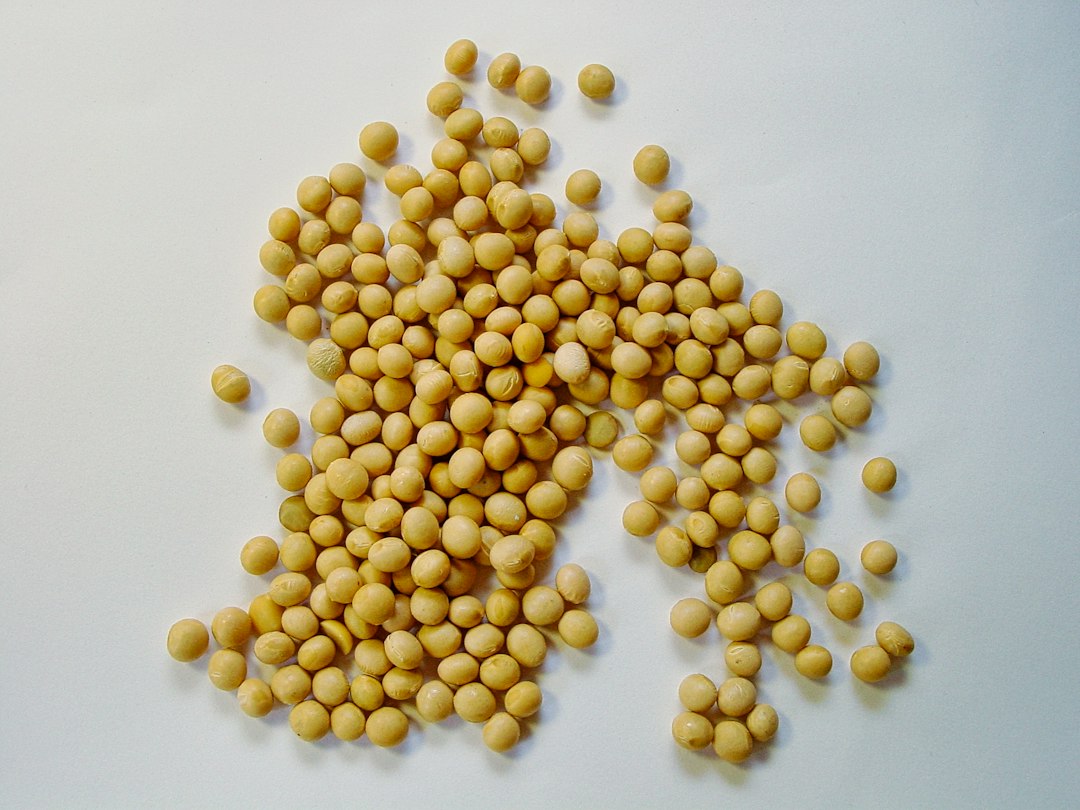
- Phytoestrogens are plant compounds that act like estrogen in the body, found in soy, legumes, seeds, and whole grains.
- Women over 40 experience declining estrogen, which can trigger hot flashes, mood swings, and bone density loss.
- Dietary phytoestrogens may ease menopausal symptoms and support cardiovascular and bone health naturally.
- The effectiveness varies by individual gut bacteria, genetics, and the specific type of phytoestrogen consumed.
TL;DR: Phytoestrogens are plant compounds with estrogen-like effects that may help women over 40 manage hormonal transitions through foods like soy, flaxseed, and chickpeas—though individual response varies based on genetics and gut health.
What Are Phytoestrogens and How Do They Support Hormonal Balance?
Phytoestrogens represent a class of plant-derived compounds with weak estrogenic activity that can bind to estrogen receptors in human cells. Unlike synthetic hormones, they don't carry the same potency or side effect profile, making them a gentler option for women seeking hormonal support during midlife transitions. Your body doesn't distinguish perfectly between plant estrogens and those produced by your ovaries—this similarity is what makes dietary sources potentially beneficial.
The Three Main Types of Phytoestrogens
There are three primary categories of plant compounds with estrogenic effects, and each appears in different food sources:
- Isoflavones – Found predominantly in soy products, chickpeas, and other legumes; the most researched type for menopausal symptom relief.
- Lignans – Present in flaxseeds, sesame seeds, whole grains, and berries; converted to active forms by gut bacteria.
- Coumestans – Less abundant, but found in alfalfa sprouts, clover, and legumes; generally in smaller concentrations than other types.
A 2022 study published in Nutrients Journal found that isoflavone intake correlated with improved vasomotor symptoms in women transitioning through perimenopause. The research highlights why specific food sources matter more than others when targeting phytoestrogen intake for hormonal support.
Why Estrogen Levels Change After 40
As women enter their 40s, ovarian function gradually declines, producing less estrogen and progesterone each month. This hormonal shift isn't sudden—it's a gradual process called perimenopause that can last 5-10 years. The decline in natural estrogen production triggers the cascade of symptoms many women experience: hot flashes, night sweats, mood changes, and reduced bone density.
This is where plant-based compounds become relevant to hormonal health discussions. By introducing dietary sources of phytoestrogens during this transition, women may experience a subtle boost in estrogenic signaling—enough to ease symptoms without the risks associated with hormone replacement therapy.
Recognizing Hormonal Shifts: Symptoms Women Over 40 Should Monitor
Understanding the signs of hormonal decline helps you identify whether dietary phytoestrogens might be worth prioritizing in your routine. Most women notice multiple symptoms clustering together rather than experiencing just one isolated issue—this pattern is often what signals perimenopause.
Vasomotor Symptoms: The Most Recognizable Signs
Hot flashes and night sweats are the hallmark symptoms women associate with menopause. These occur when declining estrogen disrupts the brain's temperature regulation center, causing sudden heat sensations that can last from seconds to several minutes. Night sweats are particularly disruptive, often interfering with sleep quality and contributing to fatigue and cognitive fog.
Research shows that women consuming higher amounts of isoflavone-rich foods report fewer and less intense hot flashes. Dietary modifications can sometimes reduce symptom frequency by 20-30% within 8-12 weeks, though individual results vary significantly.
Mood, Bone, and Metabolic Changes
Beyond obvious vasomotor symptoms, hormonal decline affects mood regulation, bone density, and metabolism. Estrogen plays roles in serotonin production, bone mineralization, and insulin sensitivity—so when levels drop, these systems all feel the impact simultaneously.
Common experiences during this phase include:
- Mood swings and increased anxiety or irritability
- Brain fog and difficulty concentrating
- Joint stiffness and muscle aches
- Accelerated bone loss (up to 1-2% annually during perimenopause)
- Slower metabolism and weight gain despite unchanged diet
- Dry skin and vaginal dryness
Bone health deserves special attention because estrogen is essential for calcium retention. Women who consume adequate plant-based estrogens alongside calcium and vitamin D may slow the rate of bone loss more effectively than those relying on supplements alone.
Natural Approaches to Support Hormonal Health Through Diet
The foundation of managing hormonal changes starts with what you eat. Plant-based phytoestrogens in everyday foods offer a practical, accessible way to support your body during this transition without requiring prescriptions or significant lifestyle overhauls.
Building a Phytoestrogen-Rich Diet
Incorporating consistent sources of plant estrogens means shifting your diet to include more legumes, seeds, and whole grains. This doesn't require extreme restriction—it's simply adding more of certain foods you probably already eat occasionally.
Top phytoestrogen food sources include:
- Soy products (tofu, tempeh, edamame, soy milk) – 25-100 mg isoflavones per serving
- Flaxseeds – highest lignan content; aim for 1-2 tablespoons daily
- Chickpeas and lentils – 0.5-1 mg isoflavones per serving
- Sesame seeds – rich in lignans; versatile for salads and cooking
- Whole grains (oats, barley, brown rice) – moderate lignan content
- Red clover and alfalfa sprouts – concentrated isoflavone source
- Berries – contain both lignans and antioxidant compounds
Research from the American Journal of Clinical Nutrition indicates that women consuming 40-100 mg of isoflavones daily report the most significant symptom relief. This is achievable through food alone—for example, half a cup of cooked edamame provides roughly 40 mg of isoflavones.
Optimizing Absorption and Gut Health
Your gut bacteria play a crucial role in activating phytoestrogens, particularly lignans, which must be converted by intestinal microbes before your body can use them effectively. This is why two women eating identical diets may experience vastly different results—their microbiome composition determines how much active hormone their bodies produce from plant sources.
Supporting gut health enhances phytoestrogen bioavailability. Include fermented foods like yogurt, kefir, sauerkraut, and miso to promote beneficial bacteria. Stay hydrated, consume adequate fiber, and minimize processed foods, which disrupt microbial balance.
The Science Behind Phytoestrogens and Hormonal Support
Understanding the mechanisms behind how phytoestrogens work helps you set realistic expectations about their role in managing hormonal transitions. They function as selective estrogen receptor modulators—meaning they activate some estrogen pathways while leaving others inactive, which is fundamentally different from how pharmaceutical hormones operate.
Clinical Evidence on Effectiveness
The research on phytoestrogens for menopausal symptom relief shows consistent but modest benefits. Studies demonstrate 20-30% reduction in hot flash frequency and intensity when women consume adequate dietary sources—results that are noticeable but not as dramatic as hormone replacement therapy. Supplements like Femicore are formulated specifically around the nutrients most linked to hormonal support, though dietary sources remain the foundation of any approach.
Results typically emerge over 8-12 weeks, not immediately, so patience and consistency matter more than intensity. Combination approaches work better than single interventions—pairing dietary phytoestrogens with regular exercise, stress management, and adequate sleep produces superior outcomes compared to food changes alone.
Individual Variation in Response
Genetic factors determine how efficiently your body utilizes phytoestrogens. Some women carry genetic variations that make them "equol producers"—they can convert soy isoflavones into equol, a compound with particularly strong estrogenic activity. Others cannot produce equol efficiently, meaning they receive less benefit from soy sources specifically, though they may still benefit from lignan-rich foods.
This explains why your friend raves about soy's effects on her symptoms while you notice minimal change. Individual responsiveness varies by 10-fold or more between women, making it essential to track your own results rather than assuming universal benefits.
Frequently Asked Questions
What foods have the highest phytoestrogen content for hormonal health?
Soy products contain the most isoflavones, ranging from 25-100 mg per serving depending on the form. Flaxseeds are your richest source of lignans, with just 1-2 tablespoons providing significant amounts. Chickpeas, lentils, and sesame seeds offer reliable mid-range amounts of these plant compounds. To maximize hormone support, rotate between soy, legumes, and seeds daily rather than relying on a single source, ensuring you receive a variety of phytoestrogen types and complementary nutrients that work synergistically for hormonal balance.
Can phytoestrogens replace hormone replacement therapy?
Phytoestrogens provide milder symptom relief than prescription HRT and are better suited for mild-to-moderate symptoms or women seeking natural alternatives. For severe hot flashes, significant bone loss, or other serious menopausal complications, pharmaceutical hormones remain more effective. Many women use phytoestrogen-rich diets as a first approach, then add prescription options if symptoms don't improve sufficiently within 3-6 months. Your healthcare provider can assess your individual risk factors and recommend the most appropriate strategy for your specific situation.
How long does it take to notice benefits from eating more phytoestrogens?
Most women notice subtle improvements in symptoms within 4-6 weeks, though full benefits typically emerge after 8-12 weeks of consistent dietary changes. The timeline depends on baseline estrogen levels, symptom severity, gut health, and genetic factors affecting phytoestrogen metabolism. Keeping a symptom journal helps you track improvements in hot flash frequency, mood stability, and sleep quality over time. Consistency matters more than dosage intensity—daily inclusion of phytoestrogen sources produces better results than sporadic high-dose consumption.
Are there risks or side effects from consuming too many phytoestrogens?
Dietary phytoestrogens from whole foods are considered safe at typical consumption levels—even relatively high intakes from regular soy or flaxseed consumption haven't demonstrated harm in long-term studies. Very large isolated isoflavone supplements (800+ mg daily) may carry theoretical risks, though evidence remains limited. Most dietary approaches provide 40-100 mg daily, a level associated with symptom relief without adverse effects. Women with estrogen-sensitive cancers should consult healthcare providers before significantly increasing phytoestrogen intake, as research on this population remains inconclusive.
Moving Forward With Your Hormonal Health
Managing hormonal shifts after 40 doesn't require extreme measures—often, dietary adjustments and lifestyle changes provide meaningful relief. If you're exploring ways to support your body through perimenopause and menopause, understanding phytoestrogens in plant foods is a practical starting point. Many women find that reviewing comprehensive nutritional support options alongside dietary changes gives them the edge they need for symptom management. The key is finding an approach aligned with your preferences and health goals.